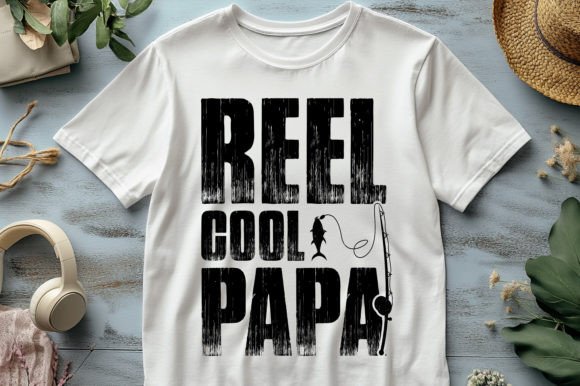
Reel Cool Papa Fishing Design Review
As a designer who has spent countless hours digitizing and reviewing artwork for embroidery, I have learned that not every graphic translates well to thread. The gap between a crisp digital image and a stitched finished product is where many projects succeed or fail. Recently, I evaluated the Reel Cool Papa Fishing Papa design to determine its viability for real-world applications. This is not just a visual check; it is a practical assessment of how this asset performs when moved from screen to fabric.
The first impression of Reel Cool Papa Fishing Papa is one of relaxed nostalgia. The theme taps into a popular niche: the proud, outdoorsy grandfather. For an Etsy seller or a craft business owner, this emotional connection is vital. Customers are not just buying a shirt; they are buying a sentiment. However, sentiment does not stitch itself. The layout appears balanced, with a central figure that likely serves as the focal point. When I look at this as a potential machine embroidery design, my immediate concern is detail retention. Digital files often contain gradients and fine lines that vanish under the needle. If this design relies heavily on subtle shading, it may require careful conversion or selection of thread colors to maintain clarity.
Real-World Application and Fabric Choice
To truly test the versatility of Reel Cool Papa Fishing Papa, I imagined placing it on various substrates. A common request in my studio is for custom apparel, specifically sweatshirts and t-shirts. On a heavy cotton sweatshirt, the design would need sufficient stitch density to prevent the fabric from showing through the stitches. If the original file is a raster image, as suggested by the inclusion of PNG files, the digitizer must ensure that the transition between colors is smooth. Jagged edges in a digital file become jagged stitches on fabric, which looks unprofessional.
Consider a tote bag design. Canvas is a sturdy fabric, but it has a visible weave. A design like this, with potentially bold shapes, works well here because the texture of the bag complements the rustic theme. However, if you are attempting baby embroidery on a soft onesie, the approach changes entirely. The backing and stabilizer become critical. You cannot use a dense fill stitch on delicate baby skin without causing discomfort. In this scenario, I would recommend simplifying the design or using an applique design technique where fabric pieces are stitched down, reducing the amount of thread directly against the skin.
Another popular item is the embroidered patch. Patches allow for higher density and more vibrant thread colors because they are often backed with stiff interfacing. If Reel Cool Papa Fishing Papa is intended for patches, the contrast between the figure and the background must be sharp. A muddy color palette will look indistinct at a small size. For holiday embroidery gifts, such as a Christmas morning reveal, the durability of the stitch matters. The item will be washed and worn frequently. A well-digitized design will hold up, while a poor conversion will unravel or pucker after the first wash.
Navigating Technical Constraints
One of the most important aspects of reviewing a graphic for embroidery is understanding what the file formats actually offer. The product description lists PNG, EPS, SVG, and a mockup. It is crucial to note that these are Graphics and T-Shirt Designs in their raw form. They are not necessarily ready-to-stitch embroidery files like PES or DST. This distinction is vital for small shop product creators who may not own digitizing software. If you are purchasing this for direct machine use, you must verify if an embroidery-specific file is included or if you need to hire a digitizer. Using a standard SVG in an embroidery machine without proper conversion can lead to broken needles and ruined garments.
When working with curved surfaces like caps, the hoop size and shape become limiting factors. A wide design might not fit within a standard cap hoop without distortion. I always advise testing the design on scrap fabric first. This allows you to check the tension and see how the running stitch outlines behave. On dark fabric, you may need to add an underlay stitch to ensure the top threads pop. Without this step, black thread on navy blue, for example, will disappear. The inclusion of a black transparent PNG in the package is helpful for visualizing this contrast before you even thread the machine.
Textured fabrics present another challenge. If you are stitching on a waffle-knit towel or a fuzzy fleece, fine details get lost. The Reel Cool Papa Fishing Papa design should be evaluated for its smallest elements. Are there tiny eyes on the fish? Small text? These areas are prone to bunching. In such cases, increasing the stitch length or removing minute details during the digitizing process can save the project. Always inspect small details closely. What looks clear on a 300 DPI PNG may be impossible to stitch at less than two inches wide.
Enhancing Brand Value and Customer Trust
For commercial embroidery professionals, the quality of the design reflects directly on the brand. A sloppy stitch-out suggests a lack of care, while a clean, crisp image builds customer trust. Using high-quality design assets like this one can elevate a personalized gift from generic to premium. When a customer receives a custom apparel item with a well-executed design, they are more likely to return and recommend your services. The visual appeal of the fishing theme appeals to a specific demographic, allowing for targeted marketing. Whether it is for Father’s Day, a birthday, or a retirement gift, the emotional resonance of the "Papa" theme drives engagement.
However, professionalism also means transparency. If you are selling digital embroidery file products, you must be clear about what the buyer is receiving. If this package is for print-on-demand (POD) use, as the "Print-Ready" label suggests, it serves a different purpose than machine embroidery. POD relies on high-resolution printing, where the 4500px x 5400px resolution is excellent. But for stitchers, that resolution is irrelevant without vector paths or stitch data. Always confirm licensing before selling finished items. Some graphics allow for commercial use on physical products but prohibit the resale of the digital file itself.
Practical Designer Notes for Success
Before committing to a large batch of small business merchandise, take these steps. First, create a printable mockup to show clients how the design will look on different colored garments. This helps manage expectations. Second, test the design on both light and dark fabrics to determine if additional underlay or color adjustments are needed. Third, choose the right stabilizer. A cut-away stabilizer is often best for stretchy fabrics like t-shirts, while a tear-away works for stable woven materials like aprons or pillow covers.
Finally, consider the end user. Is this for a rugged outdoor enthusiast who will wear the item in the rain? Or is it for a nursery decor piece that will hang on a wall? The former requires durable, weather-resistant thread and tight stitching. The latter allows for more decorative, loose stitches. By aligning the technical execution with the intended use, you ensure that Reel Cool Papa Fishing Papa becomes a standout piece in your portfolio. Whether you are creating a sweatshirt embroidery masterpiece or a simple tea towel accent, the key lies in respecting the limitations of the medium while leveraging the charm of the design.
In conclusion, this graphic offers strong potential for those willing to put in the preparatory work. It fits naturally into the T-Shirt Designs category but requires thoughtful adaptation for embroidery. By focusing on stitch clarity, fabric compatibility, and proper digitizing practices, you can transform this digital asset into a tangible, high-value product that resonates with customers and stands the test of time.