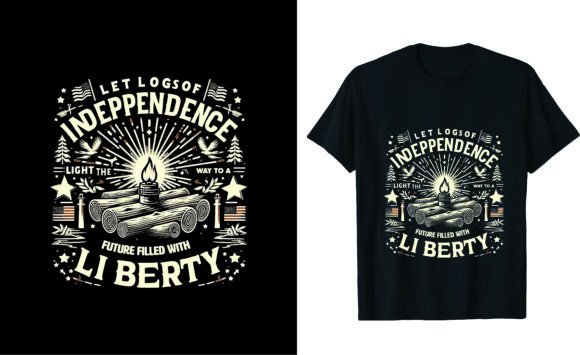
Reviewing Let the Logs of Independence T-shirt for Embroidery
As a designer who has spent countless hours digitizing and stitching out various T-Shirt Designs, I approach every new Graphics file with a mix of curiosity and caution. When I first pulled up Let the Logs of Independence T-shirt on my screen, my immediate reaction was one of seasonal anticipation. This is not just another generic holiday clipart; it carries a specific mood that resonates with the relaxed, celebratory spirit of the Fourth of July. For those of us running small craft businesses or managing Etsy shops, finding designs that balance thematic relevance with technical stitchability is crucial. This review breaks down how this design performs in real-world embroidery scenarios, moving beyond the digital preview to the tactile reality of thread on fabric.
First Impressions and Visual Personality
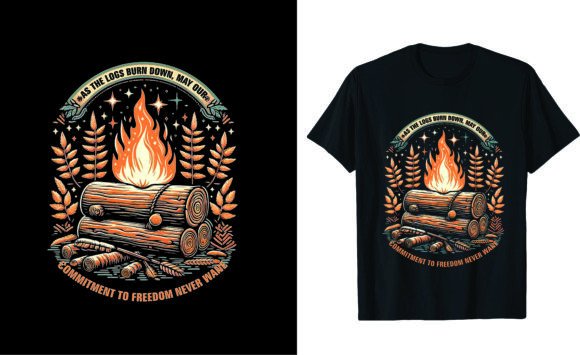
The visual personality of Let the Logs of Independence T-shirt is bold yet approachable. The layout suggests a design that is meant to be seen from a distance, making it ideal for apparel and larger home decor items. The theme centers around independence day festivities, likely incorporating elements that evoke summer gatherings, barbecues, or patriotic pride. From a design perspective, the shapes appear clean, which is a positive indicator for embroidery. Complex, overly intricate lines often translate poorly into thread, resulting in messy stitches or thread breaks. However, this design seems to prioritize clarity, ensuring that the core message remains legible even when scaled down for smaller projects like patches or baby items.
When considering this as a machine embroidery design, I look for how the elements interact. Does the text overlap heavily with graphics? Are there tiny details that might get lost in the fabric texture? In this case, the design feels balanced. It creates a mood of casual celebration, which fits perfectly into the current trend of handmade, personalized gifts that feel authentic rather than mass-produced. For an embroidery product reviewer, this initial visual assessment sets the stage for deeper technical evaluation.
Real-World Application: From Digital File to Finished Product
To truly understand the value of Let the Logs of Independence T-shirt, I imagined a specific client scenario. A local boutique owner approached me to create a limited run of custom tote bags for a community Fourth of July parade. She needed something that would stand out but remain durable enough for frequent use. This design immediately came to mind. The bold nature of the graphics suggests it would hold up well on canvas or heavy cotton, typical materials for tote bags.
Beyond tote bags, this design shines in custom apparel. Imagine it stitched onto a heather grey sweatshirt or a classic white t-shirt. The contrast between the thread colors and the fabric would make the design pop. For Etsy sellers, this versatility is a major selling point. You can market the same embroidery file across multiple product lines: aprons for the hostess, pillow covers for home decor, or even kitchen towels for a festive touch. The key is recognizing that while the source material mentions t-shirts and mugs, the embroidery adaptation requires thoughtful placement and scaling.
I also considered its use in baby embroidery. A onesie with a subtle, scaled-down version of this design could make for a cherished holiday keepsake. However, this requires careful attention to stitch density. Babies have sensitive skin, so ensuring the back of the stitching is smooth and not too dense is vital. This brings us to the technical considerations that separate a good design from a great one.
Technical Considerations for Stitchers
Before loading any digital embroidery file into your machine, you must assess its compatibility with your setup. While the product description highlights its suitability for t-shirts and mugs, embroidery introduces variables like fabric stretch and texture. For Let the Logs of Independence T-shirt, I recommend starting with a test stitch on scrap fabric similar to your final project material. This is non-negotiable for professional results.
- Hoop Size: Ensure your hoop can accommodate the full design without distortion. If the design is large, you may need a larger hoop or a multi-position technique.
- Stabilizer Choice: For stretchy fabrics like t-shirts or sweatshirts, a cut-away stabilizer is often best to prevent puckering. For woven fabrics like tote bags or aprons, a tear-away might suffice, but always test first.
- Thread Colors: The design’s impact relies heavily on color contrast. Use high-quality threads to ensure vibrancy. Consider how the colors will look against both light and dark fabrics. A mockup in black and white can help identify potential visibility issues.
- Stitch Density: Check if the design uses excessive fill stitches in small areas. High density can cause fabric stiffness or needle breaks. Adjusting pull compensation or reducing density in dense areas may be necessary.
Special care is needed when applying this design to curved surfaces like caps or hats. The rigidity of the cap buckram helps, but the design must be centered perfectly to avoid visual distortion. Similarly, for textured fabrics, ensure that the stitch types—whether satin stitch, fill stitch, or running stitch—are appropriate for the material’s weave. A satin stitch might sink into a plush towel, requiring a denser underlay or a different stitch type altogether.
Commercial Viability and Brand Consistency
For craft business owners and commercial embroiderers, the question is not just "can I stitch this?" but "will it sell?" Let the Logs of Independence T-shirt has strong commercial potential due to its timely theme. Holiday embroidery consistently drives sales in the months leading up to the event. By offering this design on various products, you can cater to different customer segments: the party host looking for themed aprons, the parent seeking cute baby clothes, or the patriot wanting a statement sweatshirt.
However, professionalism is key. A poorly stitched design can damage your brand reputation. Ensure that every finished product meets high standards of quality. This means trimming jump stitches, checking for loose threads, and ensuring the design is centered and straight. Customer trust is built on consistency. If you use this design in your printable mockups or digital product previews, make sure the physical product matches the expectation set by the image.
It is also essential to confirm licensing terms before selling finished items or digital products. The product description mentions it is for t-shirt design and other purposes, but always verify if commercial use is permitted for embroidery specifically. Some licenses restrict the number of physical items you can sell or prohibit the resale of the digital file itself. Protecting your business legally is as important as the artistic quality of your work.
Final Verdict for Makers and Designers
In conclusion, Let the Logs of Independence T-shirt is a promising addition to any embroidery designer’s library. Its strength lies in its clear visual communication and thematic relevance. It fits naturally into the category of holiday embroidery and custom apparel, offering versatility across various product types from tote bags to baby clothes. By paying attention to technical details like stabilizer choice, thread contrast, and stitch density, you can transform this digital asset into a high-value handmade product.
For Etsy sellers and small shop owners, this design offers an opportunity to tap into the seasonal demand for patriotic goods. For hobbyists, it provides a fun and rewarding project that results in a personalized gift or a unique piece of home decor. Remember to always test on scrap fabric, respect licensing agreements, and prioritize quality in your finishing touches. With these practices, Let the Logs of Independence T-shirt can become a staple in your seasonal collection, delighting customers and enhancing your brand’s reputation for quality and creativity.