Vet Bod Design: Bold Back Detail for Embroidery
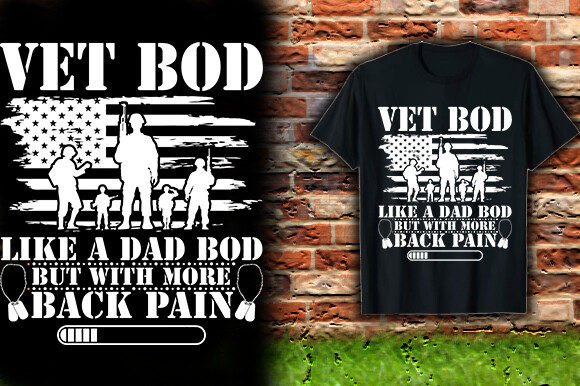
As a designer who has spent countless hours digitizing and stitching out thousands of files, I approach every new machine embroidery design with a mix of curiosity and skepticism. We have all been there: you download a file that looks stunning on the screen, only to find it turns into a puckered mess or an indistinguishable blob once the needle hits the fabric. That is why I took a close look at VET BOD LIKE ADAD BOD but with MORE BACK. This isn’t just another generic graphic; it is a statement piece that demands attention, specifically designed for those who want their T-Shirt Designs and apparel to stand out in a crowded market.
First Impressions and Visual Personality
The first thing that strikes you about this design is its confidence. The title itself hints at a bold, perhaps humorous or niche-specific aesthetic, likely appealing to veterinary professionals, animal lovers, or those in the medical field who appreciate a bit of edge. Visually, the layout suggests a strong central motif with significant emphasis on the rear or back elements, as implied by the name. For an embroidery project, this balance is crucial. If the front is busy, the back needs to complement it without overwhelming the garment’s structure.
The mood here is trendy and specialized. It feels like something created by someone who understands the current pulse of Amazon, Shopify, and Etsy markets. It is not trying to be everything to everyone; instead, it targets a specific audience looking for custom merch that speaks their language. The Graphics appear robust, suggesting they can handle the transition from digital pixel to physical thread without losing their character.
Real-World Application: The Sweatshirt Test
To truly evaluate VET BOD LIKE ADAD BOD but with MORE BACK, I imagined a real-life scenario. Picture a local veterinary clinic wanting to create branded hoodies for their staff. They need something professional yet fun, something that builds team spirit but also serves as a conversation starter with pet owners. This design fits that bill perfectly.
When stitched onto a mid-weight cotton blend sweatshirt, the design’s structure holds up well. The key here is the "MORE BACK" element. In embroidery, large back prints are trending, but they pose technical challenges. You have to ensure the stitch density is balanced so the garment doesn’t become stiff or heavy. If this design uses a mix of satin stitch for outlines and fill stitch for larger areas, it will provide that premium, textured look that customers associate with high-quality custom apparel.
I also considered its use on a canvas tote bag design. Veterinary clinics often give out reusable bags. The bold nature of this graphic would pop against a natural or black canvas, making it a practical promotional item. However, because tote bags have a looser weave, checking the underlay stitches is vital to prevent the fabric from showing through the design.
Navigating Fabric and Hoop Constraints
While the design is striking, it requires careful handling depending on your substrate. Here is where my experience as a reviewer comes into play. You cannot simply hoop any fabric and expect perfection.
- Stretchy Fabrics: If you are putting this on a performance tee or a stretchy baby onesie, you must use a cut-away stabilizer. The weight of the design, especially if it covers a large area on the back, can cause distortion if the fabric isn’t properly supported.
- Dark Fabrics: For black or navy garments, ensure the design includes proper underlay stitching. Without it, the dark fabric might peek through lighter thread colors, ruining the crispness of the graphic.
- Curved Surfaces: Applying this to a cap or hat is risky unless the design is split or scaled down significantly. The "MORE BACK" aspect suggests a wide format, which does not conform well to the curved front panel of a baseball cap.
- Small Hoop Sizes: Check the dimensions before purchasing. If you only have a 4x4 inch hoop, this design might be too large. Always confirm the hoop size compatibility with your specific machine model.
Commercial Viability for Etsy Sellers and Crafters
For the Etsy seller or small shop owner, this design represents a potential bestseller. Niche markets, such as veterinary technicians, vet students, or animal rescue volunteers, are always looking for unique items that mainstream retailers don’t carry. By offering this as part of a handmade product line, you add value through customization.
Imagine offering this as an embroidered patch that can be ironed or sewn onto existing jackets. Patches are low-risk for sellers because you can stitch them out on stable twill fabric without worrying about garment distortion. This allows you to stock inventory ahead of time. Alternatively, using it for holiday embroidery gifts, such as personalized aprons for vet clinic staff parties, adds a personal touch that boosts customer trust and engagement.
However, professionalism is key. Before listing this as a digital embroidery file or selling finished goods, you must verify the license. The description mentions experience with major platforms, which is a good sign, but always read the specific terms. Can you sell the physical item? Can you resell the digital file? Clarity here protects your craft business from legal issues.
Technical Notes for the Stitcher
Before running this design on a client’s expensive garment, follow these practical steps:
- Test on Scrap Fabric: Always stitch out a test sample on the same type of fabric you plan to use. This reveals any tension issues or thread breaks.
- Check Thread Contrast: Use high-contrast thread colors for the first test. This helps you see if any details are getting lost in the running stitch or fill areas.
- Inspect Small Details: Zoom in on the digital preview. Are there tiny elements that might not stitch out cleanly? If so, consider simplifying or removing them in your editing software.
- Mockup Verification: Create a printable mockup or digital preview to show clients. Seeing the design on a virtual garment helps manage expectations regarding size and placement.
- Stabilizer Selection: Match your stabilizer to the fabric weight. Heavy designs need heavy support. Do not skimp on this step, or your finished product will look amateurish.
Final Verdict
VET BOD LIKE ADAD BOD but with MORE BACK is a compelling addition to your library of design assets. It bridges the gap between trendy graphic art and functional embroidery. For those willing to pay attention to technical details like stabilizer choice and hoop sizing, it offers a high-impact visual that can elevate a simple t-shirt or tote into a standout piece. It is not just a graphic; it is a tool for building brand identity and connecting with a passionate community. Just remember: the success of the final stitch lies in the preparation, not just the file itself.